
E&E Lab Clinical Tests
E&E Lab has developed measurements and indicators to verify the functions of microcurrent products, such as keratin hydration, water loss, pore size, and skin sensitivity.
Comparing the Difference Between Current and No Current
Experimental Method:
- Before applying the mask, assess both sides of each subject's cheeks.
- Cut the mask in half and apply the printed microcurrent side to one half of the face and the non-printed (blank) mask material to the other half, as shown in the figure provided.
Detection Times:
- T0: Before using the mask
- T15min, T2hr, T4hr, T8hr: Time intervals after using the mask
Skin Detection Instruments:
- MoistureMeter SC: Measures skin hydration.
- VapoMeter: Detects TEWL (Trans-Epidermal Water Loss) from the skin.
- Antera 3D: Analyzes facial images, including wrinkles, texture, pigmentation, redness, and more.
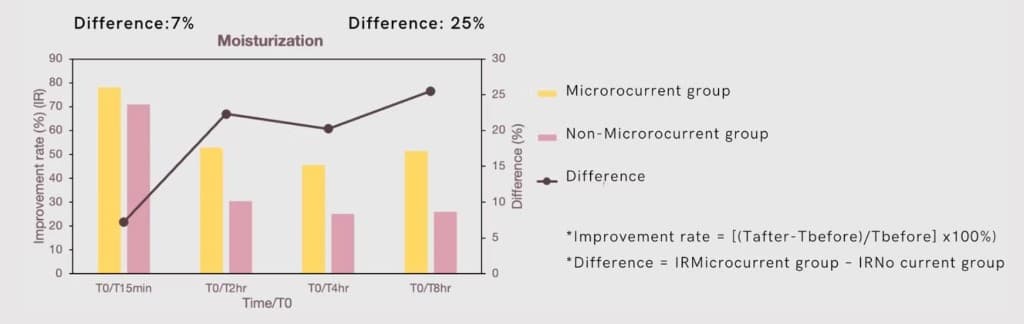
Hydration Detection: Assess the difference in the Improvement Rate (IR) between using microcurrent and no-current masks using the MoistureMeter SC. Higher values indicate better results.
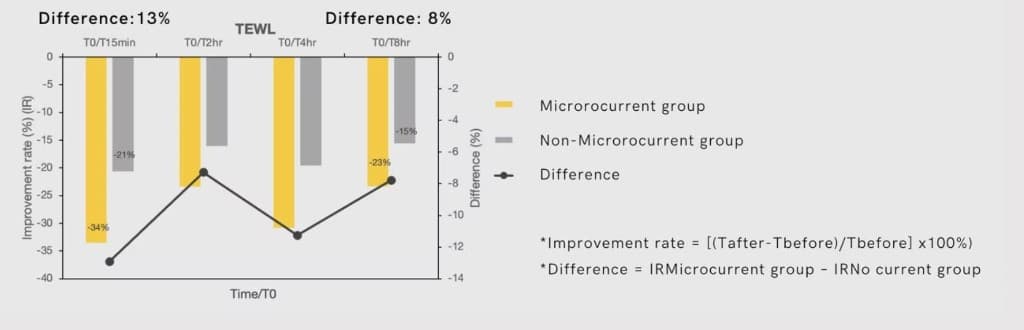
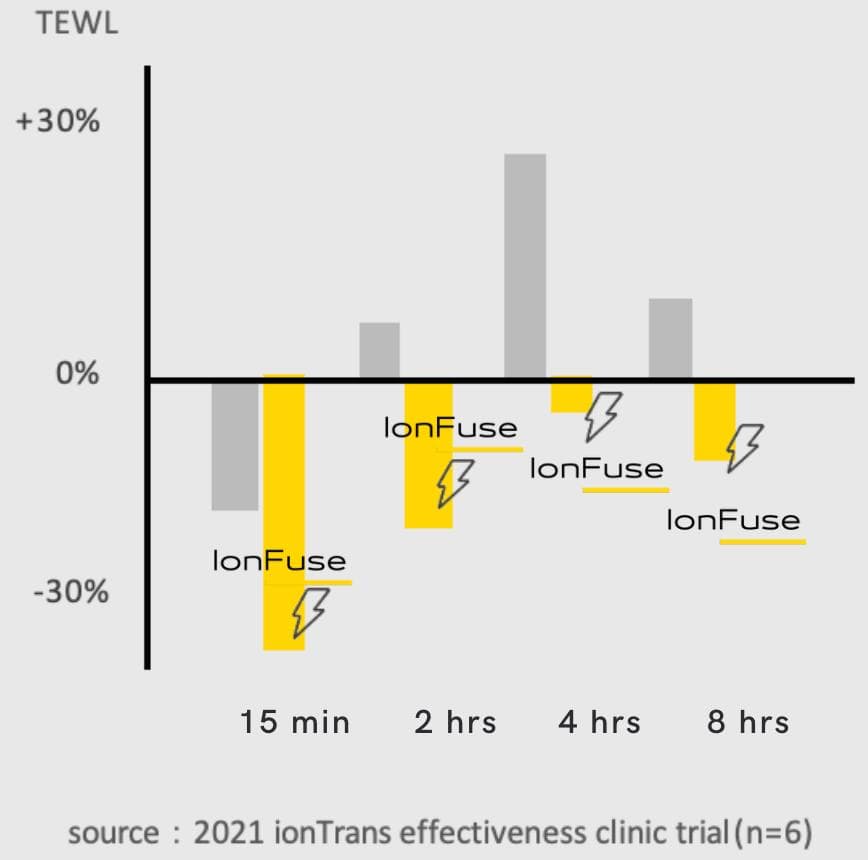
TEWL Detection: Assess the difference in the Improvement Rate (IR) between using microcurrent and no-current masks using the VapoMeter. Lower values indicate better results.
Skin hydration: Due to the IonFuse mask's exceptional penetration ability, skin hydration consistently maintained at levels exceeding 150% even at the second, fourth, and eighth-hour intervals.
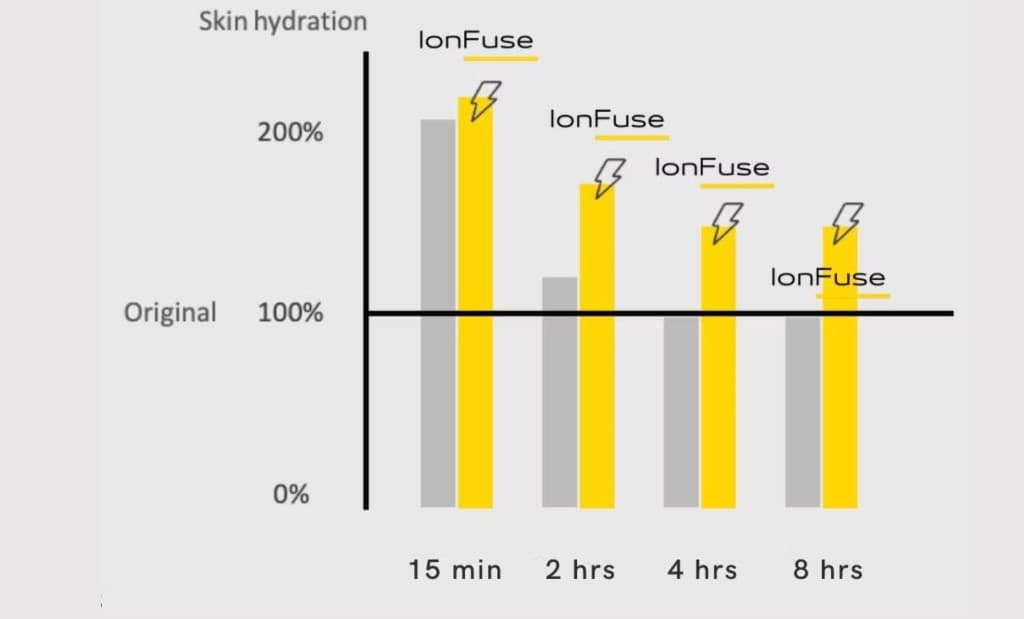
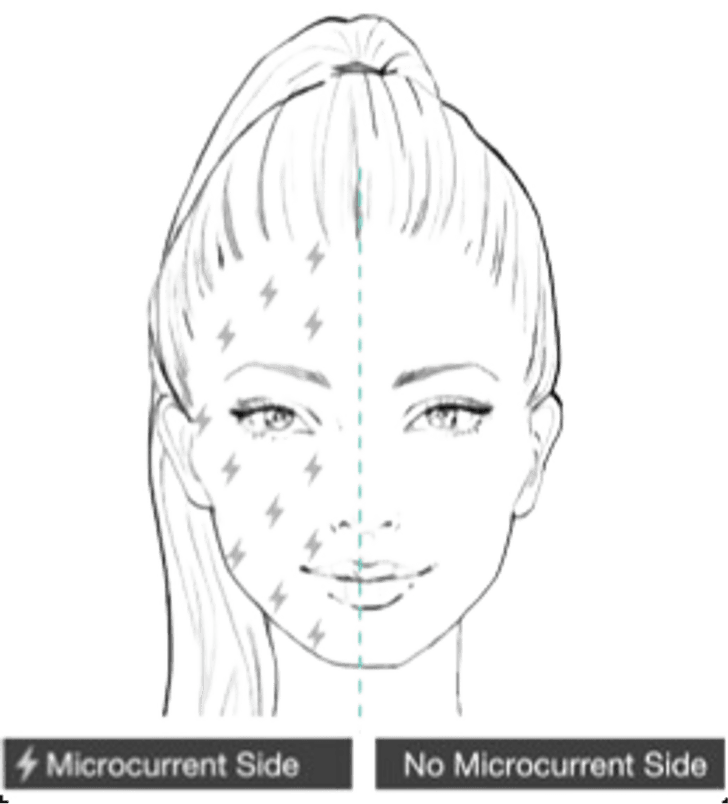
Skin hydration levels remain above 150% even after 8 hours
Trans-Epidermal Water Loss (TEWL): For the regular mask (gray bar), after applying it for the second hour, water dispersion begins, becoming more pronounced by the fourth hour. By the eighth hour, the skin's natural defense mechanism starts releasing oil, leading to a partial recovery in the lost condition. For IonFuse, the TEWL profile remains more favorable throughout—see the chart.
3D Skin Testing Results & Skin Roughness Improvement
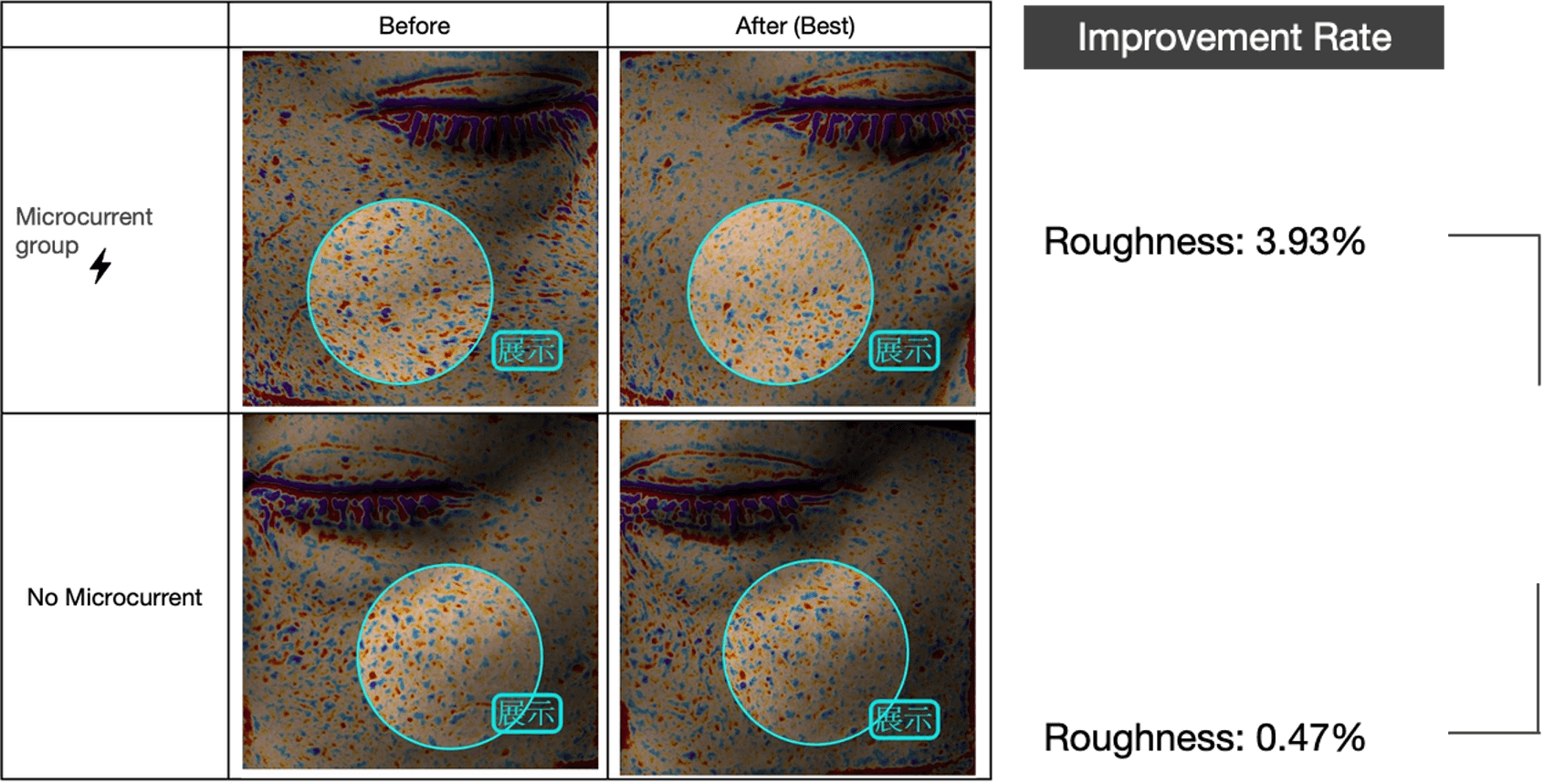
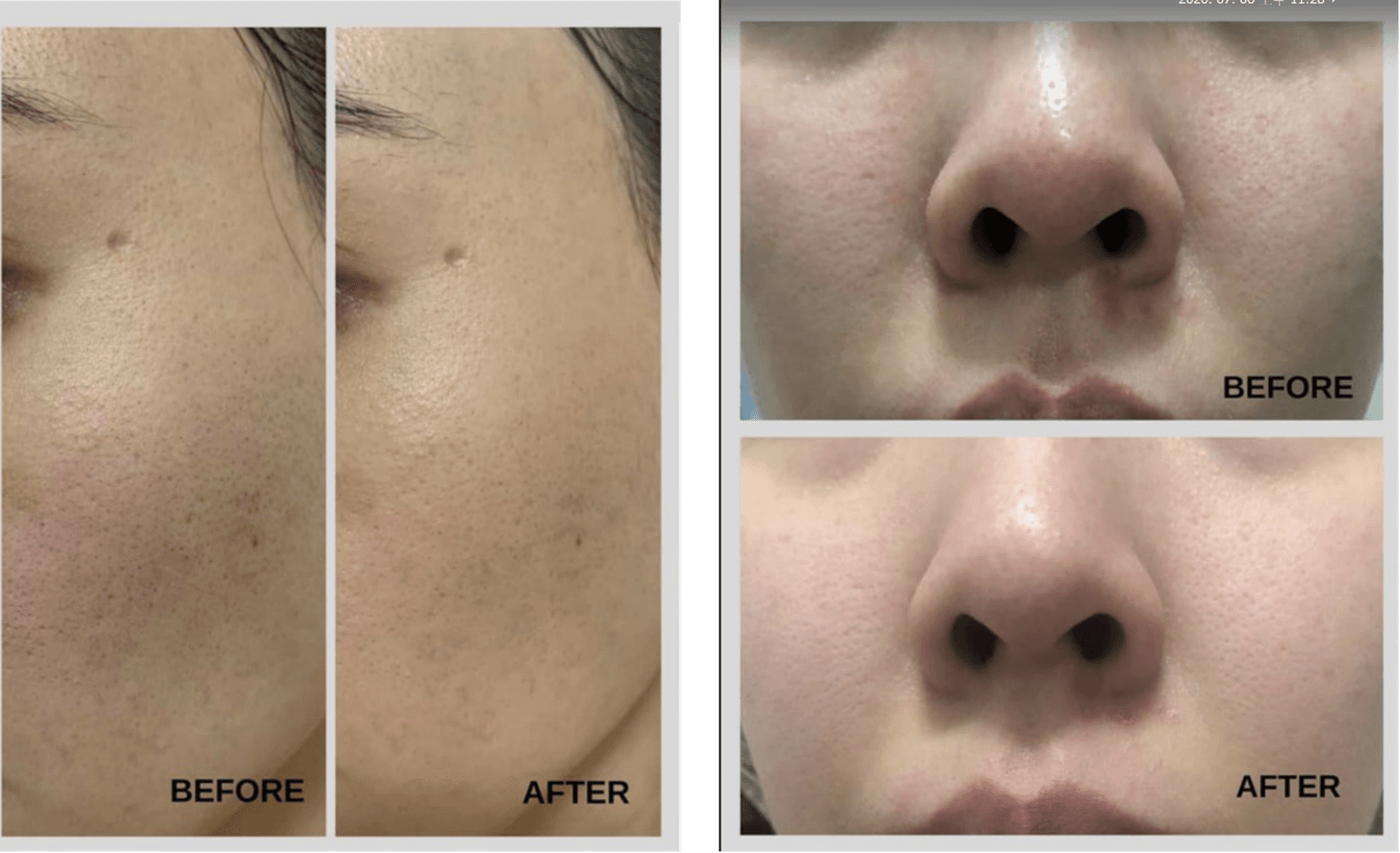
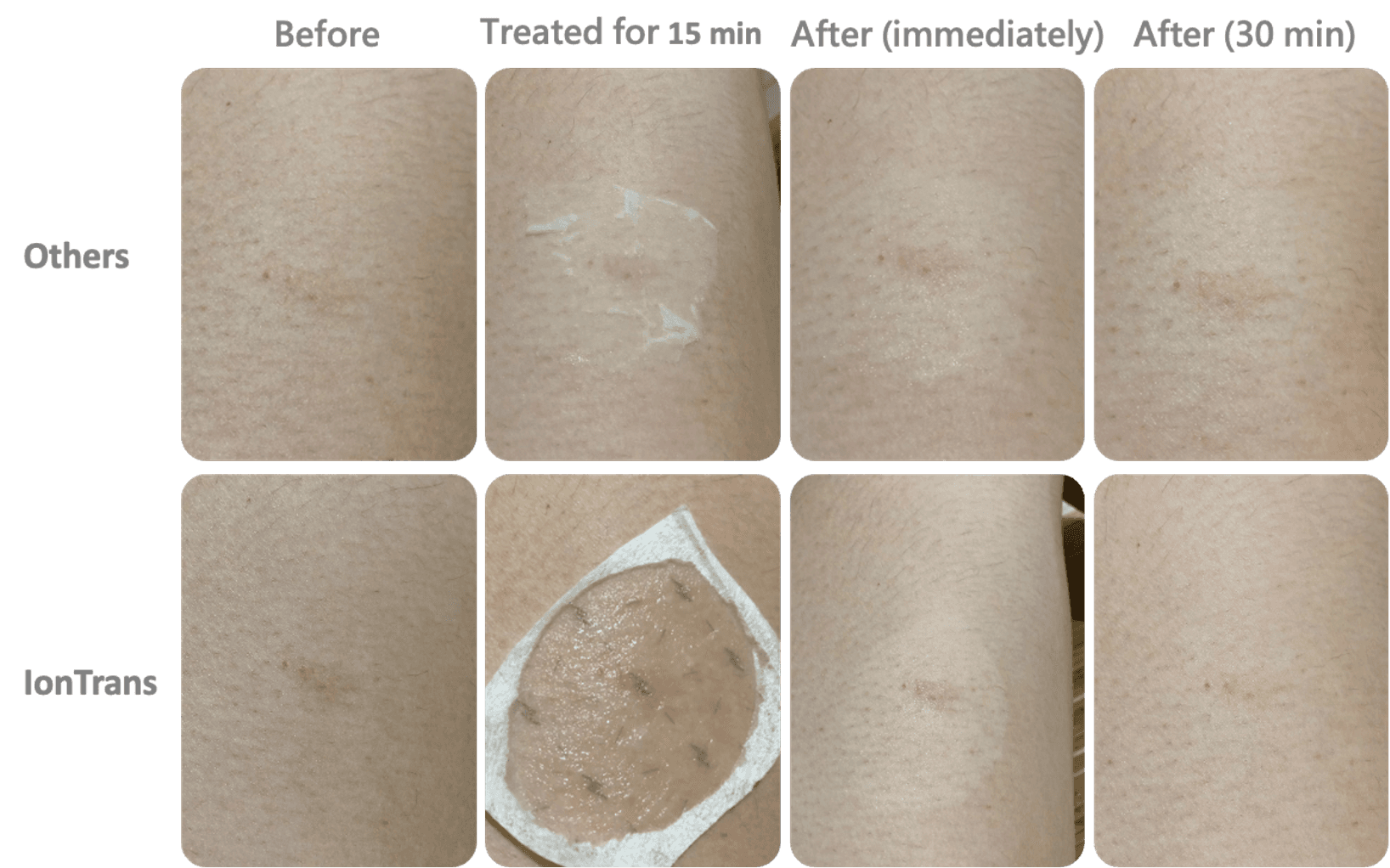
Before & After Images
Representative captures across cheek, nose, and arm sites—paired with instrument reads where available. Replace with your approved clinical set.
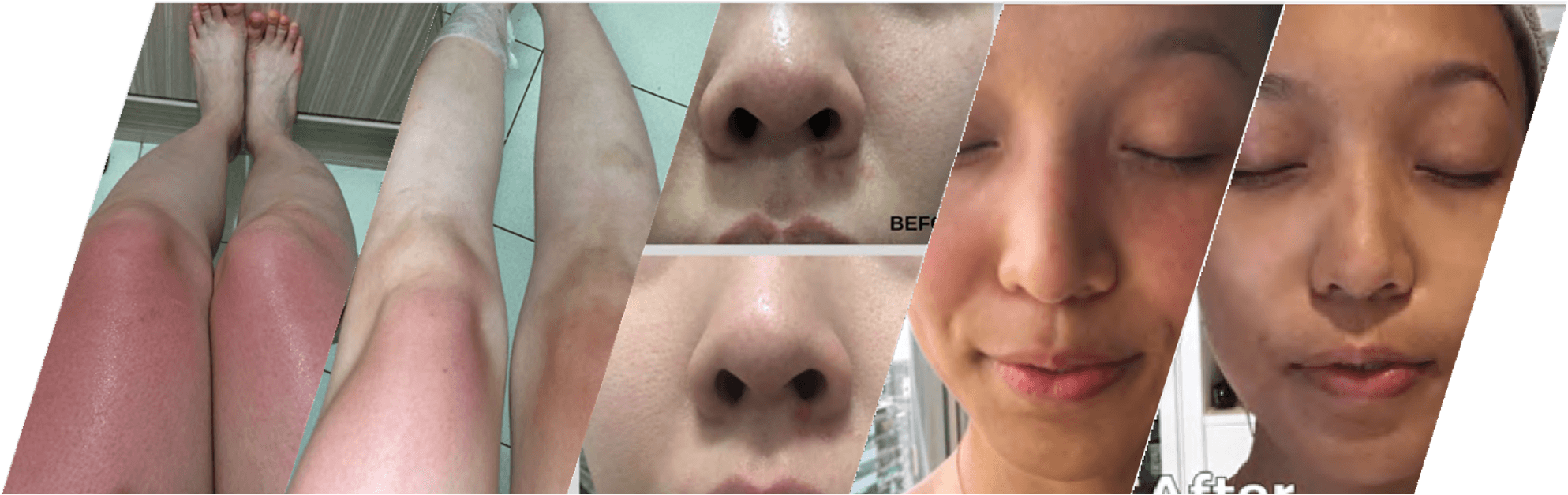
Deep penetration and long-lasting hydration
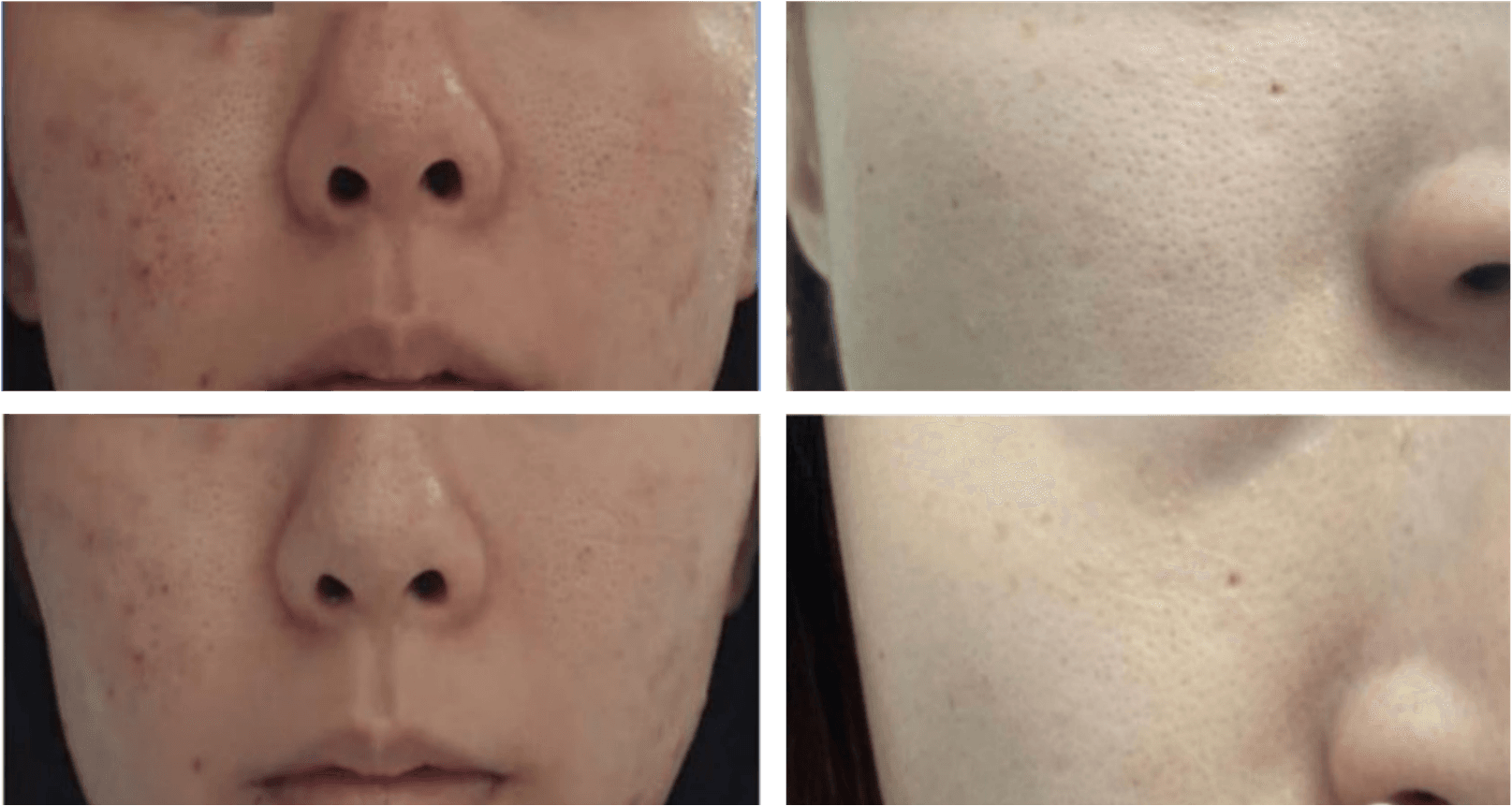
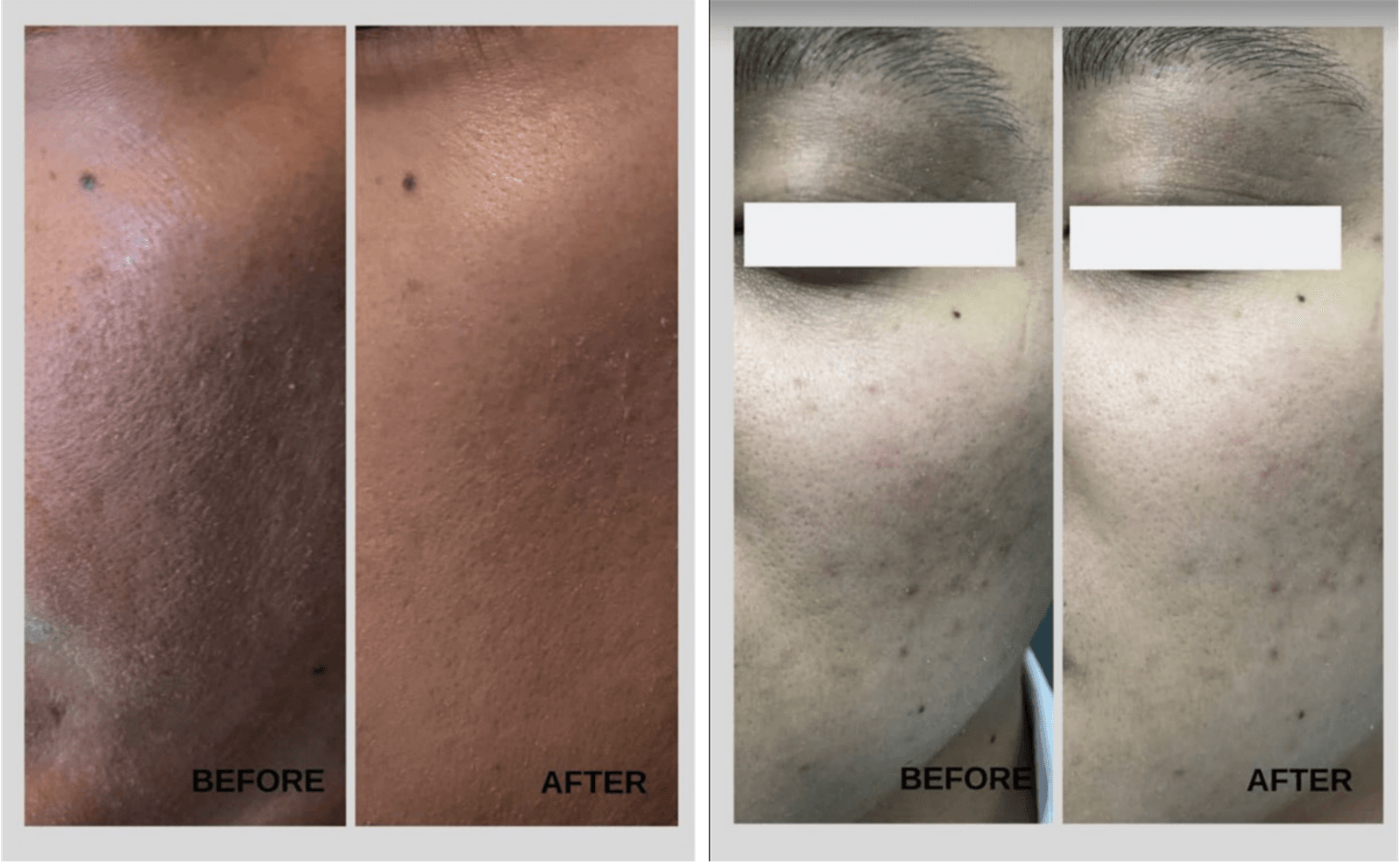
Improved dullness, enhanced skin barrier